
AI Hardware Design & Development Services
Device design, embedded systems and connected software for AI-enabled wearables and custom hardware projects.
ExploreQX TECH / BUYER’S GUIDE
A decision framework for AI-enabled wearables: task boundaries, device/phone/cloud architecture, operating cost and release evidence.
An AI hardware feasibility review should answer four questions: what task the user needs, where computation runs, what happens when the system is wrong or offline, and what it costs to operate. Test the smallest complete workflow before expanding the feature list. An AI demo is evidence for that workflow—not proof of production reliability.
Replace “add an AI assistant” with a concrete scenario: a user asks a spoken question, receives a response through the selected audio path, and can interrupt or recover from failure. Specify the required languages, environment, phone dependency and permitted actions. Do not silently add a camera, display or independent network connection that the hardware does not have.
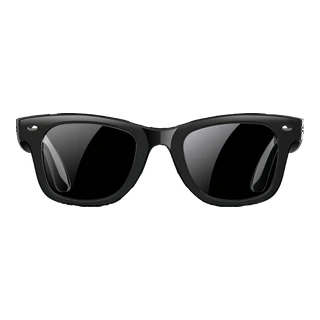
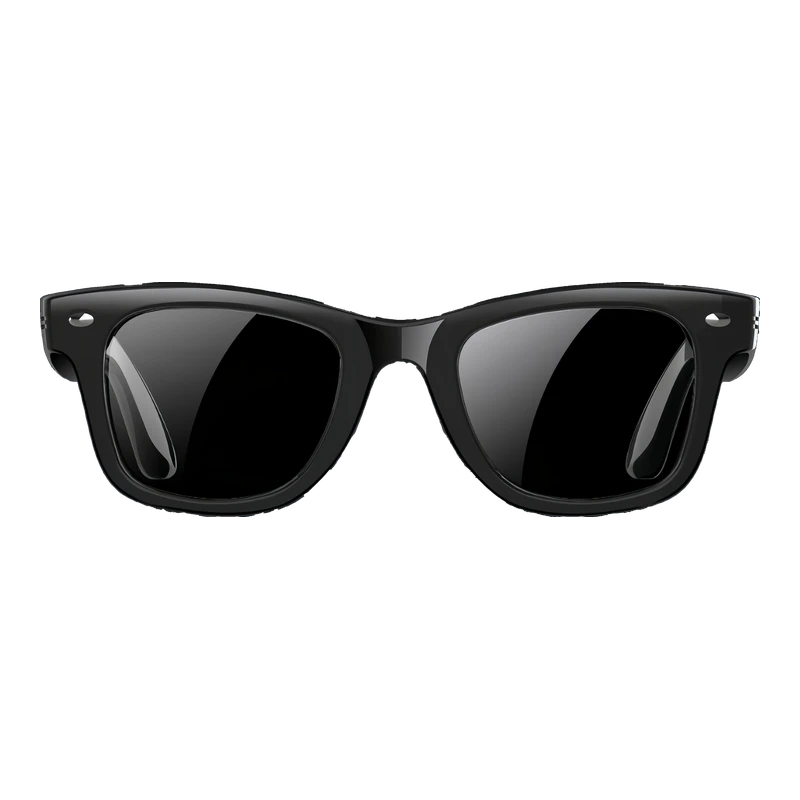
W300 smart glasses are a relevant QX reference for AI chat, translation and voice notes described in the catalog. They are not evidence for an optical AR display, a camera, every offline language or unrestricted third-party integration. A custom project needs its own evaluated hardware/software configuration.
Build the following matrix into a prototype review. Set measurable thresholds for the actual task only after the operating conditions are agreed; there is no universal accuracy or response-time promise appropriate for every AI device.
| Risk | Test or decision |
|---|---|
| Poor input | Noise, interrupted speech, accents and unsupported languages |
| Uncertain output | Visible uncertainty, correction and safe refusal where appropriate |
| No connectivity | Which functions remain available; clear failure feedback |
| External action | User confirmation and permissions before consequential actions |
| Operating cost | Request frequency, usage caps and provider billing assumptions |
| Provider change | Model/version changes, regression set and release ownership |
Map the device, phone, backend and model provider as separate components. Identify who can access each system, what data crosses each boundary and how a user can request help. Credentials belong in the appropriate secured service or device configuration—not in public client code or a marketing website.
Evaluate a representative set of successful and unsuccessful tasks before accepting a release. Keep the test inputs, model/version settings and observed outcomes so a later change can be compared. When a wellness feature is involved, do not present generated text as a medical measurement or diagnosis.
QX TECH can discuss AI hardware and software development as a combined scope. Use the RFQ brief to distinguish platform work, model integration, content or prompt configuration, testing and ongoing operations. A clear boundary between these items makes the project easier to price and maintain.
Specifications belong to the named model and configuration. Custom changes require separate evaluation. Health functions are for general wellness reference only, not medical diagnosis.
Device design, embedded systems and connected software for AI-enabled wearables and custom hardware projects.
ExploreSmart-glasses projects combining industrial design, connected software, voice interaction and AI functionality.
ExploreCompanion apps, embedded software and cloud integration for wearables and connected AI hardware.
Explore