
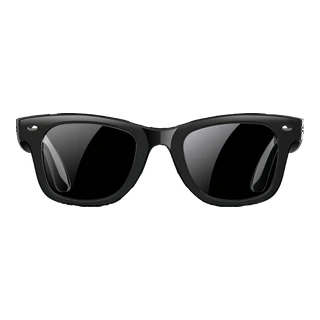
AI Hardware Design & Development Services
Device design, embedded systems and connected software for AI-enabled wearables and custom hardware projects.
ExploreQX TECH / DESIGN + DEVELOPMENT
Smart-glasses projects combining industrial design, connected software, voice interaction and AI functionality.
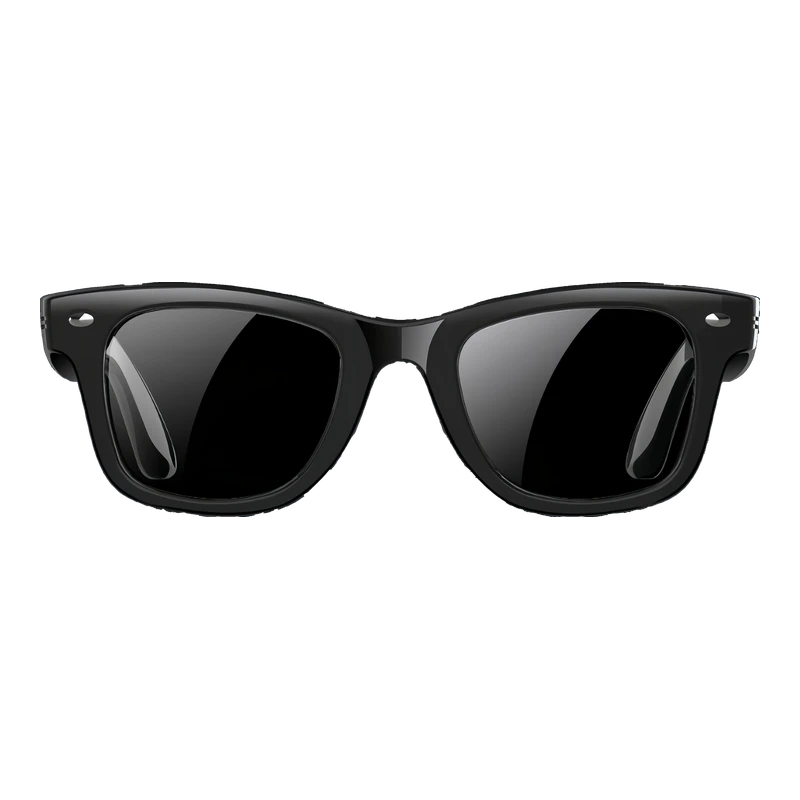
QX TECH supports smart-glasses solutions and AI hardware development. The W300 is the published product reference, with an approximately 35 g TP frame, Bluetooth calling, AI translation and voice-related features described in its catalog. This is not a claim of AR display, camera or standalone offline AI functionality; any such requirement needs a separate feasibility discussion.
Begin with the task a wearer needs to complete: take a call, receive audio, ask a question or use a translation workflow. Decide when a phone is available and when internet access is expected. This avoids confusing a glasses-shaped device with a complete, always-available AI system.
Frame geometry, lens options, weight distribution, buttons and touch controls belong in the product brief. W300 offers a real reference for discussion, including its documented lens choices and controls. A new shape or material should be assessed as a change to the engineering scope, not simply a cosmetic variation.
For translation, specify the desired workflow and test it with representative users: phone-assisted conversation, captions in the app, or spoken output. Language support needs to be checked for the exact software service and workflow; a catalog language count does not establish accuracy for every dialect or environment.
Voice notes and summaries introduce additional questions: where audio is processed, what is retained, who owns service accounts, and what happens when connectivity fails. Agree the data route, permission experience, recurring service costs and failure behavior before promising an effortless user journey.
A sample plan should cover wear comfort, controls, phone connection, calling and the agreed AI tasks. Use named test conditions and record device, app and service versions. W300 health-related functions remain general-wellness references; a smart-glasses project does not gain diagnostic status from using sensors.
Share your target market, expected user journey and requirements for lenses, software and branding. QX TECH can discuss catalog evaluation or custom development with separate hardware, software and production workstreams, then define a realistic sample and acceptance plan.
Neither is claimed in the current W300 catalog. Do not infer these features from the term smart glasses; discuss them separately for a new project.
We can assess this within the development scope. API access, permissions, latency, service costs, data handling and app integration must be evaluated.
Specifications belong to the named model and configuration. Custom changes require separate evaluation. Health functions are for general wellness reference only, not medical diagnosis.
Device design, embedded systems and connected software for AI-enabled wearables and custom hardware projects.
ExploreA decision framework for AI-enabled wearables: task boundaries, device/phone/cloud architecture, operating cost and release evidence.
ExploreCompanion apps, embedded software and cloud integration for wearables and connected AI hardware.
Explore