
Wearable OEM/ODM Design & Manufacturing
Custom wearable design, hardware, embedded software, apps and production support for brands building their next device.
ExploreQX TECH / BUYER’S GUIDE
A practical buying guide to choosing a wearable development route—and comparing quotations without comparing different projects.
In a wearable project, OEM usually starts with customer-defined specifications; ODM usually includes supplier-led design or adaptation. The labels alone do not define intellectual property, app ownership, tooling, certification or support. Compare the statement of work, not just the acronym. QX TECH supports both finished-product supply and custom development discussions.
List the assets that already exist: industrial design, mechanical drawings, schematics, firmware source, a working app, test fixtures and an approved bill of materials. A render and a requirements slide deck are not the same as a manufacturing-ready design. Ask the supplier to identify which assets can be reused and which need validation.
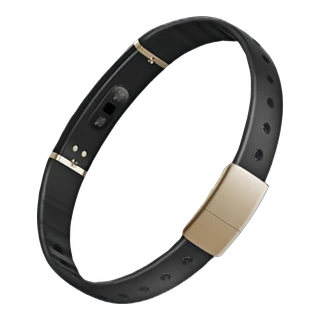
A private-label adaptation may be the shortest development route when an existing product meets the intended experience. For example, evaluating the screenless C16 is a different assignment from developing a new enclosure, changing its sensor system and building a new app. Do not ask both suppliers for “a screenless band” and assume their prices cover the same work.
Separate the commercial lines that behave differently. One-time engineering and tooling are not unit costs; a cloud subscription is not included merely because the hardware connects to an app. Ask each bidder to complete the same scope matrix before comparing totals.
| Decision | What to put in writing |
|---|---|
| Hardware design | Reusable platform, new components, design files and responsibility for changes |
| Firmware and app | Deliverables, repositories, licenses, build instructions and publishing accounts |
| Tooling and fixtures | Ownership, location, maintenance and reuse rights |
| Testing and approval | Evidence, test conditions, outside fees and who resolves failures |
| After launch | Defect handling, updates, service fees and end-of-life responsibilities |
Agree on a reference configuration and sample acceptance criteria before purchase commitments. Record changes to sensors, displays, battery, app functionality or target markets with their cost and schedule impact. A late change can affect more than the component itself; it may reopen software, mechanical or testing work.
A useful comparison is total project cost under a stated quantity and scope, with optional work and recurring costs shown separately. MOQ, development time and delivery milestones should come from the actual quotation. A single universal number on a website would hide the choices that make your project different.
Specifications belong to the named model and configuration. Custom changes require separate evaluation. Health functions are for general wellness reference only, not medical diagnosis.
Custom wearable design, hardware, embedded software, apps and production support for brands building their next device.
ExploreAn ungated, reusable brief for wearable hardware, screenless bands, companion software and AI-enabled devices.
ExploreA practical stage-gate framework for a wearable project, with the decisions and evidence to agree before the next commitment.
Explore