
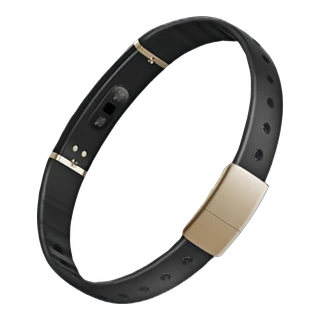
Screenless Fitness Band Design: A Buyer’s Guide
How to specify comfort, pairing, synchronization and battery expectations before committing to a custom screenless wearable.
ExploreQX TECH / DESIGN + DEVELOPMENT
Screenless health bands and custom wrist-worn devices, with hardware, firmware and companion software developed as one product.
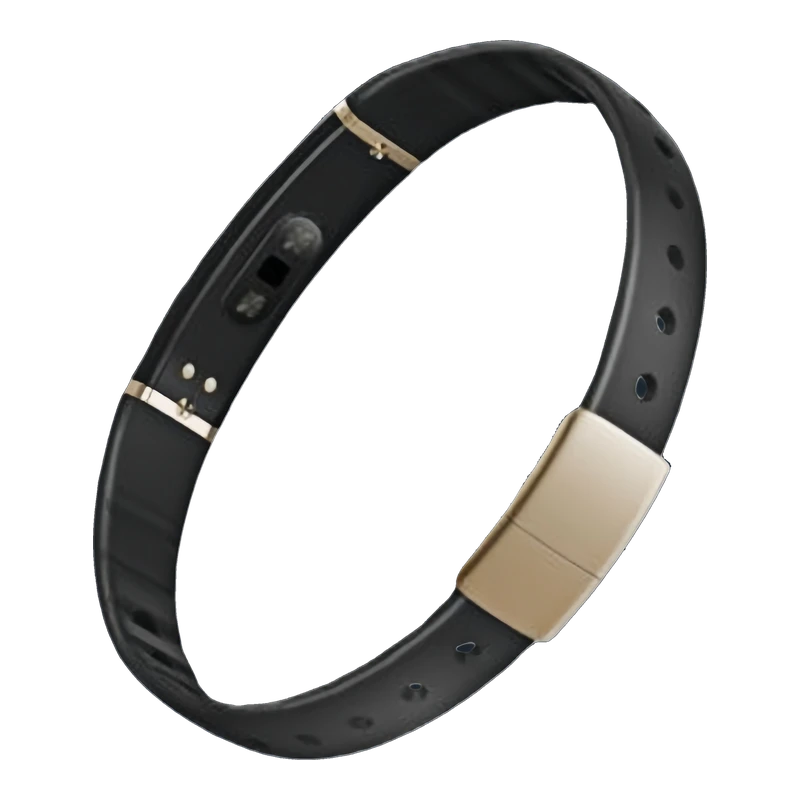
QX TECH designs and manufactures screenless wearable bands for OEM/ODM projects. The C16 is our published screenless health-band reference: approximately 16 g, a zinc-alloy head, TPU strap and app-connected wellness functions. Custom projects can explore different shapes, materials and interaction approaches; specifications and validation are confirmed separately rather than assumed from C16.
Removing the screen changes how a user understands the device. Pairing, charge state, synchronization and error recovery need an understandable route through the companion app and any agreed vibration or indicator behavior. The first experience should answer three questions: is it connected, is it recording, and when was the data last synchronized?
A screenless fitness tracker does not have to look like a small smartwatch. Wristband width, fastening, sensor contact and how the device sits during sleep deserve a design discussion. QX TECH has mature experience in screenless-band design and manufacturing; a new project should still be evaluated on its own requirements rather than on a competitor’s appearance.
Use C16 to evaluate an actual device and its documented functions. Its published catalog covers spot/automatic heart rate and SpO₂, sleep, activity and app-based features. These are general-wellness references, not diagnostic functions. Follow the C16 detail page for the current model specification and discuss the intended use before selecting an algorithm or sensor.
For a custom design, prepare a requirement matrix rather than combining the strongest claims from different products. A smaller enclosure, different strap, additional sensor or more frequent synchronization may change the battery target and engineering work. Ask the development team to identify which characteristics are demonstrated, targeted or still subject to validation.
| Decision | Specify in the brief |
|---|---|
| Wear and fit | Wrist range, closure, materials and overnight use |
| Data and feedback | Metrics, sampling, offline behavior and user feedback |
| Companion software | App branding, synchronization and data ownership |
| Validation | Use conditions, battery test profile and acceptance evidence |
Agree the mechanical design, electronics, firmware, app behavior and manufacturing checks together. For a screenless band, functional test coverage should include charging, connection recovery and the data journey into the app, not just a visual inspection of the finished enclosure. The agreed plan should also distinguish prototype findings from production acceptance.
Bring the target market, branding assets, approximate order range and launch priorities to the first conversation. We can discuss catalog-based evaluation or custom development. Tooling, app access, support terms, MOQ and timing are confirmed in the proposal; no minimum order or launch date is implied by this page.
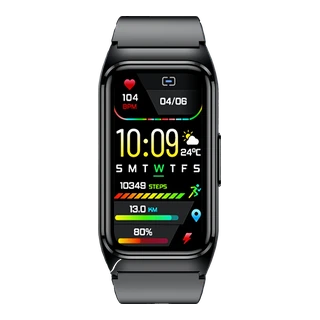
Yes. C16 is the screenless model in the current QX TECH catalog. TK75 is a separate band with a display; its specifications must not be applied to C16.
App customization or integration can be scoped. Confirm the device protocol, SDK terms, required data, account ownership and maintenance responsibilities before development.
The published products are described for general-wellness reference. Do not market them as diagnostic or therapeutic devices based on this website.
Specifications belong to the named model and configuration. Custom changes require separate evaluation. Health functions are for general wellness reference only, not medical diagnosis.
How to specify comfort, pairing, synchronization and battery expectations before committing to a custom screenless wearable.
ExploreCompanion apps, embedded software and cloud integration for wearables and connected AI hardware.
ExploreAn ungated, reusable brief for wearable hardware, screenless bands, companion software and AI-enabled devices.
Explore