
Wearable OEM vs ODM: Scope, Ownership & Cost
A practical buying guide to choosing a wearable development route—and comparing quotations without comparing different projects.
ExploreQX TECH / DESIGN + DEVELOPMENT
Round and square watches, hardware configuration, firmware, companion apps and manufacturing support.
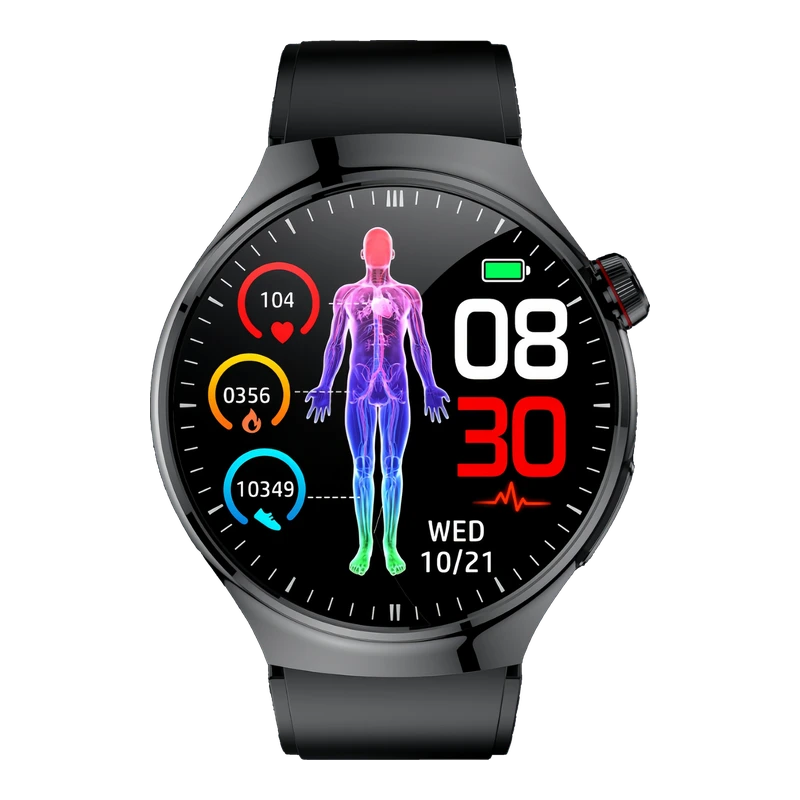
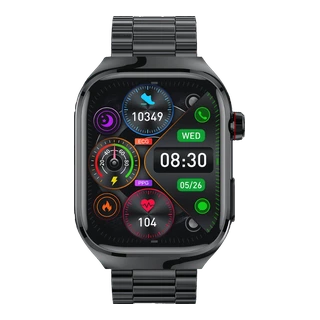
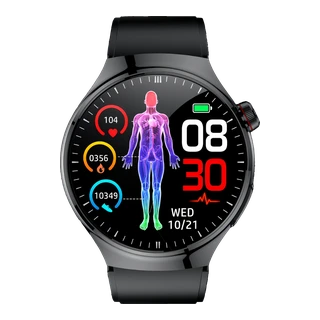
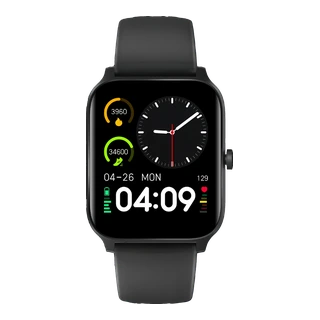
QX TECH supports smartwatch OEM/ODM projects using existing products or custom development. The published range includes the TK16 health watch, TK26 round smartwatch and GT5D (Tuya) smartwatch. These models have different displays, electronics and software capabilities. Compare the actual specifications, then define branding, functional changes, app integration and production requirements.
Start with the daily use case. A watch for communication, a general-wellness companion and a device supplied with an existing digital service can require different priorities. Compare display shape, readability, interaction, case materials and charging with the features people will actually use.
The TK16, TK26 and GT5D product pages provide model-specific information. Do not assume that an AMOLED display, ECG-related function, Tuya integration or a particular battery profile exists across the whole range. A sample evaluation should be tied to a product revision and the matching app and firmware versions.
Branding and watch-face work are different from changing electronics or device behavior. A useful customization brief separates case and strap choices, language and interface changes, sensor requirements, notification behavior, and companion-app work. This makes it easier to identify what can reuse an existing platform and what needs engineering.
Bluetooth calling, phone-assisted activity routes and cloud-connected functions should be described with their dependencies. For example, an app-assisted route should not be represented as standalone built-in GPS. Agree what a customer can do with no phone nearby, what requires a paired phone, and what needs an online service.
Use representative phones, language settings and realistic usage patterns during evaluation. Review pairing, notifications, reconnection, charging, OTA behavior where supported, and the wording of wellness screens. A list of enabled functions is not the same as an accepted end-to-end experience.
Ask for clarity on reference samples, production checks, packaging, market documentation and ongoing app support. Quote requests should include estimated quantities and target markets, but project pricing, MOQ, certification work and delivery dates remain subject to the agreed configuration and contract.
Yes, customization can be discussed against a specific model. The achievable changes and engineering work depend on its hardware and software platform.
No such claim is made. GT5D is the Tuya-labeled model in the published catalog. Integration for another project requires separate confirmation.
Specifications belong to the named model and configuration. Custom changes require separate evaluation. Health functions are for general wellness reference only, not medical diagnosis.
A practical buying guide to choosing a wearable development route—and comparing quotations without comparing different projects.
ExploreA practical stage-gate framework for a wearable project, with the decisions and evidence to agree before the next commitment.
ExploreCompanion apps, embedded software and cloud integration for wearables and connected AI hardware.
Explore